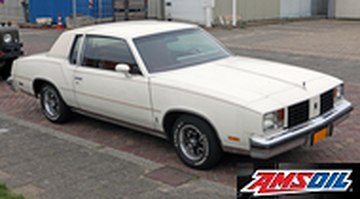
Maintaining Lubrication Integrity for the 1980 Oldsmobile CUTLASS 4.3L
Proper engine care for a vehicle of this era requires a focus on consistent monitoring and proactive inspection. For owners of a 1980 Oldsmobile CUTLASS equipped with the 4.3L engine, maintaining the lubrication system is a fundamental aspect of long-term mechanical health. Because older engines operate under different thermal and mechanical stresses than modern counterparts, understanding how to observe and respond to changes in fluid condition is essential.
Monitoring Fluid Condition and Potential Leaks
One of the most effective ways to monitor the health of the 4.3L engine is through regular visual inspections. Rather than waiting for a warning light or a significant mechanical change, an owner can gain valuable information by looking for signs of fluid seepage or leakage around the engine block and associated components. Even small amounts of oil appearing on the exterior of the engine may indicate that gaskets or seals are beginning to age.
When performing these inspections, it is helpful to look at several key areas:
- Sealing Surfaces: Check for any signs of wetness or residue around where major components meet.
- Drain Areas: Inspect the area beneath the vehicle after it has been parked for an extended period to identify any active drips.
- Fluid Appearance: If the oil is checked via a dipstick, note its color and consistency. While some darkening is expected as oil ages, extreme discoloration or a gritty texture warrants further investigation.
It is important to remember that many different factors can cause fluid loss or changes in appearance. A small amount of seepage does not always indicate an immediate failure, but it serves as a useful baseline for future observations. Documenting these findings allows an owner to track whether a minor seepage is stable or if it is progressing over time.
Observing Changes in Engine Operation
Beyond visual inspections, the way the engine behaves during operation can provide clues regarding its lubrication status. Owners should remain attentive to any new or unusual sensations while driving or idling. While symptoms can have multiple underlying causes, certain observations are worth investigating promptly.
For instance, a change in how the engine sounds—such as increased mechanical noise that was not previously present—can be associated with changes in lubrication efficiency. Similarly, if an owner notices an unusual odor during or after operation, it may indicate that oil is contacting a hot surface. If the vehicle exhibits any unexpected changes in performance or if warning indicators appear on the dashboard, these should be treated as signals to perform a thorough inspection of all fluid levels and system components.
Prioritizing Maintenance Through Condition-Based Care
As vehicles age, the approach to maintenance often shifts from strictly following a calendar to focusing on the actual condition of the machine. For a 1980 Oldsmobile CUTLASS, this means using current observations to dictate service priorities. If an owner has access to previous repair records, reviewing them can help establish what has been addressed and what may be approaching the end of its service life.
If maintenance history is incomplete or unknown, establishing a baseline is a wise first step. This involves performing a comprehensive inspection of all fluids, belts (if equipped), and hoses to determine the current state of the vehicle. Once this baseline is set, any deviation from that state becomes much easier to identify. Instead of replacing parts based solely on their age, an owner can prioritize addressing active leaks or visible wear, which ensures that maintenance efforts are directed where they are most needed.
This condition-based approach helps distinguish between necessary preventive maintenance and unnecessary component replacement. By focusing on what the engine actually requires based on its current state, owners can manage the longevity of the 4.3L powerplant more effectively.
Managing Aging Engine Components
Vehicles from the early 1980s contain various materials that are subject to the effects of time and temperature cycles. When maintaining an older engine, it is practical to inspect age-sensitive components that may lose their effectiveness over several decades. This includes checking the condition of accessible belts, if equipped, for signs of cracking, glazing, or fraying.
Additionally, inspecting hoses for signs of brittleness or swelling can prevent unexpected failures. Electrical connections and wiring should also be examined for any signs of corrosion or insulation deterioration. By systematically checking these peripheral components during routine service, an owner can identify potential issues before they lead to more significant mechanical interruptions. This proactive stance is a key part of responsible long-term ownership.
The Role of Consistent Lubrication Maintenance
The primary function of engine oil in the 4.3L engine is to provide a consistent layer of protection between moving parts, reducing friction and helping to manage the heat generated during combustion. Over time, oil can become contaminated by various substances, which may affect its ability to perform these tasks effectively. This contamination can lead to the buildup of deposits or sludge within the engine.
Regularly changing the oil and filter helps to remove these contaminants and ensures that the lubricant maintains its intended properties. Maintaining clean lubrication is not just about preventing wear; it is also about ensuring the system remains free of debris that could interfere with the smooth operation of the engine's internal components. Consistent attention to the quality and cleanliness of the oil is one of the most impactful maintenance actions an owner can take.
Practical Advice for Buying Engine Oil for a 1980 Oldsmobile CUTLASS 4.3L
When it is time to replenish the lubrication in your engine, the most important step is to ensure the product you select matches the specific requirements of your application. Because different engines and operating conditions require different lubricant properties, you should not rely on general assumptions based on the vehicle's age or size.
To make an informed purchase for your 1980 Oldsmobile CUTLASS 4.3L, please refer to the application-specific oil viscosity and information provided on this webpage. When selecting a product, consider the following:
- Match the Viscosity: Always use the vehicle-specific oil viscosity listed in the application information shown above.
- Evaluate Formulations: Depending on your specific needs, you may choose between conventional, synthetic blend, or full synthetic oils. Some high-mileage formulations also contain additives intended for use in aging engines, including seal-conditioning additives.
- Verify Quality: Check the product labeling to ensure the oil meets the appropriate API certifications for modern service.
By matching your purchase directly to the technical data provided for your specific engine, you ensure that the lubricant is capable of providing the necessary protection and performance for your vehicle.